
Winter Wellness: Coping with Seasonal Stress With Equine Practices
The Unseen Winter Shift
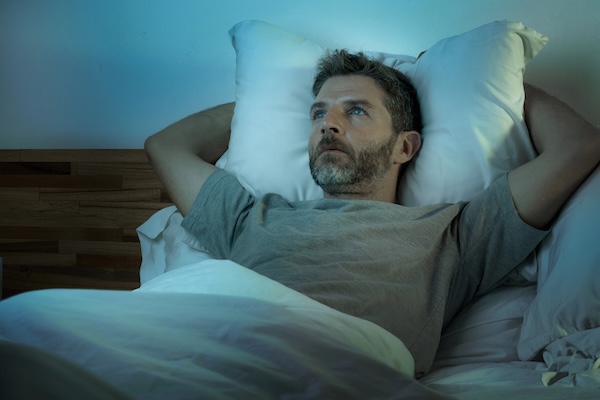
Winter brings a subtle but distinct shift in the environment: fewer daylight hours, prolonged darkness, cold winds, and a general turning inward of society. For individuals managing the invisible wounds of service—such as PTSD, chronic hypervigilance, anxiety, depression, or moral injury—the colder months can inadvertently act as an amplifier for psychological and physical stress.
As someone who served for 22 years in the NSW Police Force across a variety of demanding environments—from the high-pressure streets of Mount Druitt to the structured discipline of the Mounted Unit—I know firsthand that the operational rhythm of a first responder doesn’t stop for the weather. Yet, when you step away from the uniform, or when the quiet of a winter evening sets in, the internal noise can become deafening.
Finding tools that offer genuine relief during these months is critical. Traditional talk therapy has its place, but when your nervous system is trapped in a permanent state of high alert, we often need to look beyond the clinic wall. This is where the profound, non-judgmental world of Equine-Assisted Mental Health Therapy offers you a transformative path to winter wellness.
Why Winter Hits Frontline Personnel Differently: The Science of Seasonal Stress
To understand why equine practices are so effective, we must first unpack why winter can be uniquely punishing for veterans and first responders.
- The Disruption of Circadian Rhythms and Mood
Fewer hours of sunlight mean less exposure to natural vitamin D and a disruption in our circadian rhythms. For shift workers, this is a double blow. Frontline responders already navigate erratic sleep schedules that challenge the body’s natural clock. When the natural daylight they do see is vastly reduced, the brain struggles to regulate serotonin (the mood-stabilizing chemical) and melatonin (the hormone governing sleep). This biological drop can leave individuals feeling sluggish, emotionally fragile, and more susceptible to intrusive thoughts.
- Physical Pain and the Trauma Connection
There is an undeniable link between chronic physical pain and psychological trauma. Years of carrying heavy kit, tactical vests, enduring sudden impacts, or maintaining tense physical postures during high-stress incidents take a toll on the body. Cold weather frequently exacerbates old injuries, joint stiffness, and chronic pain. When the body hurts, the nervous system interprets that physical discomfort as a threat, naturally lowering your threshold for emotional resilience and increasing irritability or anxiety.
- Isolation and the “Turning Inward”
In summer, life naturally pulls us outdoors into open spaces, social gatherings, and active routines. Winter encourages containment. For veterans and retired first responders who may already feel disconnected from civilian life or the camaraderie of their old units, winter can deepen a dangerous sense of isolation. The walls feel closer, the nights feel longer, and the mind is given too much empty space to replay old calls, missions, or traumatic memories.
The Power of the Herd: Why Horses Hold the Key
Because of this, horses do not read you by the words you speak or the brave face you put on. They read your somatic reality—your heart rate, your muscle tension, your breathing patterns, and your genuine emotional state.
For a veteran or first responder, this can be incredibly liberating. In the line of duty, you’re trained to suppress your emotions, to box up fear, grief, or anger to get the job done. Humans might be fooled by that stoic mask, but a horse sees right through it.
When you enter a round yard or arena with a horse like Rooster (Roo)—my 17.2-hand Australian Warmblood who naturally excels at holding space for deep therapeutic work—there is no demand to explain your trauma. He simply mirrors your current physiological state. If you are anxious and rigid, he may reflect that back to you by keeping its distance or showing alertness. When you begin to consciously drop your shoulders, exhale, and ground your feet, wait for him to respond instantly, stepping closer or lowering his head. This immediate, honest feedback loop is where true healing begins.
The Three Pillars of Winter Equine Practice: Rhythm, Presence, and Calm
Through the Equine Assisted Therapy Australia (EATA) model, I work with you on a somatic approach that prioritises core elements perfectly suited to combatting winter stress. Somatic means “working with the body” so together we work on your Rhythm, Presence, and Calm.
1. Rhythm: Restoring Balance to an Overstimulated System
Trauma and chronic stress are inherently arrhythmic – or out of rhythm. This lack of rhythm affects our internal pacing, leaving us either stuck in a chaotic “high” (panic, hypervigilance, rage) or a stagnant “low” (depression, numbness, exhaustion). Winter often forces us into that stagnant low.
Horses are creatures of profound, natural rhythm. From the steady, cyclical sound of their breathing to the rhythmic, four-beat cadence of their walk, their entire existence is anchored in a steady beat. When you spend time alongside a horse, your nervous system begins a process called entrainment—your internal rhythms begin to sync with the larger, slower, more stable rhythm of the horse.
- Your Winter Practice: Standing quietly near a horse’s shoulder, matching your breathing to the rise and fall of their chest, or walking in step with them on the ground. This physical rhythm acts as a biological metronome, gently pulling an anxious or depressed nervous system back into a balanced, functional baseline.
2. Presence: Breaking the Cycle of the Past
A major symptom of operational stress injuries is the inability to remain in the present moment. Your mind is either dragged backward into past trauma or pushed forward into projecting future threats. The cold, dark isolation of winter feeds this loop. You cannot be anywhere but the present moment when you are with a large animal. Because a horse is fully grounded in the “here and now,” working with them demands your total attention. To stay safe and connected, you must pay attention to where your feet are, how the horse’s ears are moving, and the texture of the winter coat beneath your fingers. This requirement breaks the cycle of hypervigilance. It forces a cognitive and somatic pause, pulling you out of your head and into your sensory surroundings.
- Your Winter Practice: Mindful grooming. Brushing a horse’s thick winter coat, feeling the heat radiating from their skin, and noticing the smell of hay and earth. This tactile, sensory-rich experience anchors you firmly in the safety of the present moment, proving to your brain that right now, in this exact second, you are secure. My horses love being brushed – come and try it with me.
3. Calm: Establishing Somatic Safety
For someone like you, “calm” is often a luxury you haven’t experienced in years. True calm isn’t just the absence of a crisis; it is a profound physical sensation of safety within your own skin.
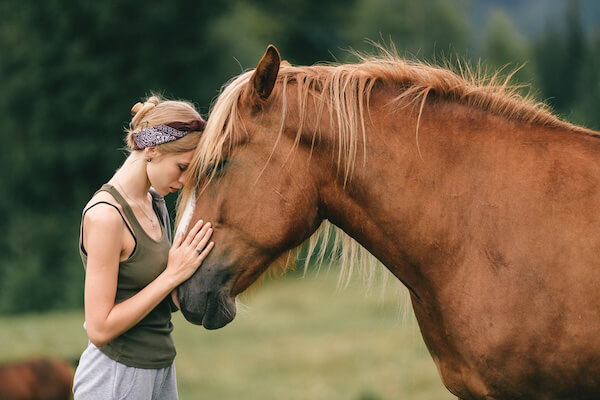
Horses offer an unconditional, non-judgmental space to experience this. A horse doesn’t care about your medical discharge, your rank or position, or the mistakes you feel you’ve made. When a horse chooses to rest its muzzle on your shoulder or sigh deeply while standing next to you, it signals to your body that you are accepted and safe. This triggers the release of oxytocin (the bonding hormone) and lowers cortisol (the stress hormone), creating a physical experience of deep, restorative calm that can carry over into your daily life.
- Your Winter Practice: Merely “being” with the herd without an agenda. Sitting in the arena, observing their natural social dynamics, and letting their collective tranquility wash over you.

Actionable Winter Wellness Tips for Veterans and First Responders
- Focus on Somatic Grounding: When winter chill or a wave of anxiety causes your body to tense up, practice “finding your feet” just like an equestrian. Plant both feet flat on the ground, soften your knees, drop your tailbone, and imagine your weight sinking into the earth.
- Seek Visual Nature and Open Spaces: If you feel the walls closing in at home, break the isolation. Visit open spaces where horses or nature are present. Simply watching horses graze from a fence line can stimulate your brain’s mirror neurons, promoting relaxation.
- Embrace Tactile Warmth: If you are experiencing cold-weather aches or emotional numbness, lean into sensory warmth. Hot baths, heavy blankets, or holding a warm beverage mindfully can help soothe an overactive threat response.
- Give Yourself Permission to Slow Down: Nature slows down in the winter, and so should we. Shift away from the high-pressure mindset of “always be doing” and allow yourself moments to simply “be.”
Your Safe Harbor This Winter
At Kelly Zorn Equine Practices, we understand the specific weight you carry because we have walked a similar beat. Our tailored Equine-Assisted Mental Health sessions provide a confidential, secure, and respectful environment where you don’t have to explain your background to be fully understood.
Together with our incredible equine partners, we work to help you regulate your nervous system, rebuild trust, and rediscover a deep, lasting sense of inner peace. If the winter chill is making the weight feel heavier lately, take a courageous step forward. The herd is ready to hold space for you.
If you're feeling sad, down or anxious during the Winter months, talk to me about how me and my horses can help lift you.
Contact me today on 0452 337 322 to book a session or find out more.
Related posts:
- Zero Discrimination Day: Supporting Every Veteran’s Story
- Beyond Service: Finding Stillness and Connection this ANZAC Day
- Honouring the Brave: Strength, Resilience, and Healing for Our Veterans and First Responders
- Stillness in the Storm: Paddock Dynamics of Trauma Recovery on International PTSD Awareness Day