Stillness in the Storm: Paddock Dynamics of Trauma Recovery on International PTSD Awareness Day
Post-Traumatic Stress Disorder (PTSD) changes your physiological wiring. It locks the nervous system into a state of chronic hyper-arousal—a persistent fight-or-flight response where the body remains trapped on high alert long after the immediate operational threat has passed. Living with this internal high-voltage energy makes standard “talk therapy” feel limiting. It is incredibly difficult to logically untangle trauma when your body feels like it is constantly fighting for survival.
While many have heard of Equine-Assisted Therapy as a general concept for trauma recovery and emotional regulation, there is a deeper, highly practical layer to this work that mirrors the frontline experience: the power of the squad dynamic.
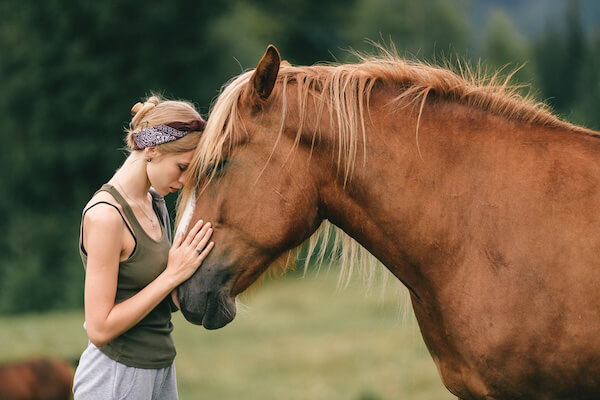
Horses are not blank canvases; they are complex individuals with distinct personalities, boundaries, and roles within their herd. For a veteran or first responder, stepping into the paddock isn’t just about interacting with an animal—it is about learning to navigate a brand-new team dynamic.
Meeting the Herd: Relational Realities in the Paddock
In operational environments, survival depends on knowing exactly who is to your left and right, reading their subtle cues, and establishing unspoken trust. In equine therapy, the healing begins when you apply those exact situational awareness skills to a herd of horses.
Consider how different personalities in a paddock require entirely different approaches to emotional regulation:
- The Gentle Standard: Some horses, like Jimee, possess a inherently sweet, accommodating soul. They look after their passenger and offer immediate, gentle comfort. For a frontline worker carrying deep emotional exhaustion or moral injury, interacting with a steady presence who demands absolutely nothing can break through years of protective armor, allowing the nervous system to finally drop its guard.
- The Boundary Testers: Then there are horses like Shiraz (Raz), who might hold themselves with intermediate authority and occasionally show the traits of a “grumpy old man” unless you earn their respect. If you enter the arena with a lingering, aggressive, or chaotic baseline energy, a horse with strong boundaries will call you out on it—not with judgment, but by physically stepping away. To win them over, you cannot force command; you have to find internal calm, regulate your breath, and approach with clear, quiet confidence.
- The Space Holder: Larger horses, like Rooster – my beautiful Australian Warmblood standing at 17.2 hands—can feel intimidating at first glance. Yet, despite his size, he is often the one who excels at simply “holding space”. Standing next to a giant, calm animal who is fully grounded forces your own brainstem to synchronize with their slower, steadier heart rate. It proves that immense strength does not have to mean hyper-vigilance or aggression.
Somatic Reset: Rhythm, Breath, and Presence
Working alongside these distinct equine personalities provides a living biofeedback loop that targets the somatic core of PTSD through three pillars:
- The Power of Absolute Presence
Horses live entirely in the immediate present. They do not care about the deployment you returned from five years ago, nor do they care about your upcoming medical review. They only react to who you are right now, in this exact second. To stand safely with a 17-hand animal, you must drop the past, stop anticipating future threats, and bring your awareness completely into the present moment. This grounding effect acts as an immediate circuit-breaker for intrusive flashbacks and hyper-vigilance.
- Co-Regulating the Breath
When an operational background keeps you on high alert, your breathing becomes shallow and rapid, signaling to your brain that danger is afoot. Because horses can detect an elevated human heart rate from several feet away, they respond to that respiratory tension. When you work with a therapist to deliberately slow down and deepen your diaphragmatic breathing, the horse notices the shift instantly. Often, as your breath matches theirs, the horse will release a massive sigh, drop its head, or lick its lips. This shared rhythm sends a direct, biological signal to your limbic system: The mission is over. You are safe right now.
- Somatic Rhythm
There is a deeply therapeutic cadence to working around a stable—from the steady, bilateral motion of grooming a horse’s coat to the rhythmic sound of their stride. Trauma research shows that repetitive, rhythmic movements help re-pattern a frayed nervous system, systematically reducing cortisol levels and bringing down your baseline stress.
Why the Equine Dynamic Succeeds Where Words Fail
Horses demand no operational debrief. They don’t need a sit-rep, and they don’t need you to verbalize what happened on that specific shift or tour. They accept you exactly as you present yourself in the paddock. For someone who has spent years feeling misunderstood, isolated, or fundamentally changed by what they have witnessed, this unconditional, non-verbal connection is incredibly restorative.
Through hands-on exercises, participants learn to identify exactly where they are storing operational stress in their bodies. They practice setting healthy physical boundaries, managing sudden spikes of frustration, and rebuilding interpersonal trust. Because the herd responds honestly and instantly to changes in human emotion, participants receive immediate validation when they successfully calm their internal storm.
Shifting From Survival to Living
Equine-assisted therapy does not seek to replace traditional medical or psychological care; rather, it provides a vital, body-based partnership. By allowing the diverse personalities of the herd to guide us back to presence, teach us emotional regulation, and help reset an overworked fight-or-flight response, we can begin the transition from a state of constant survival back into a life of genuine living.
If you are a veteran or a first responder navigating the heavy fog of PTSD, know that your nervous system is not permanently broken—it is simply exhausted from years of protecting you. Consider stepping away from the clinical walls and out into the quiet paddock. Let the unique rhythm, breath, and presence of the herd help you find your footing again.
If you or someone you know is struggling with PTSD or mental health challenges, support is always available. I offer personalised sessions with a deep understanding of trauma. Contact me to book a session or find out more.
Contact me today on 0452 337 322 to book a session or find out more.