
Honouring Their Service: Navigating the Hidden Weight of Remembrance Day
But for many, this day lands differently. It carries a different, more personal weight.
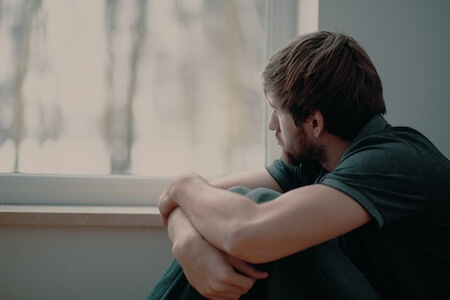
The sights of uniforms, the sound of the Last Post, the flags flying at half-mast, and the public focus on loss and sacrifice can act as powerful and sometimes unwelcome triggers. For those of you living with post-traumatic stress disorder (PTSD), anxiety, depression, or moral injury, this day can be a minefield of emotional distress. It’s an anniversary. And anniversaries, for survivors of trauma, are often the hardest days of all. They can bring back a flood of unwanted memories, ignite feelings of survivor’s guilt, and deepen a sense of isolation from the very community that is trying to honour them. What is intended as a mark of respect can inadvertently reopen old wounds, making symptoms like hyper-vigilance, anxiety, irritability, and depression feel overwhelming.
The Power of a Plan: Facing Anniversaries with Intention
If you are a veteran, a serving member, or a family member who finds this time of year particularly difficult, please know this: your feelings are valid. They are a normal human response to abnormal experiences.
Acknowledging that this day will be hard is the first and most powerful step in managing it. One of the most effective strategies is to create a coping “action plan” well before the day arrives. This isn’t about “toughing it out”; it’s about giving yourself the tools and the permission to navigate the day on your own terms.
Your plan might include:
- Setting Boundaries: You have the right to decide how you spend the day. It is perfectly okay to decline invitations to public ceremonies or family gatherings if they feel like too much. Your well-being comes first.
- Limiting Media: Today’s 24-hour news cycle and social media feeds can be saturated with images and stories of war and loss. Give yourself permission to unplug. Limit your exposure to content that you know will be activating. In fact social media is one area in your life that a general removal could help you.
- Staying Grounded: If you feel yourself becoming overwhelmed or dissociating, have a list of grounding techniques ready. This could be the 5-4-3-2-1 method (naming 5 things you see, 4 you feel, 3 you hear, 2 you smell, 1 you taste) or simply focusing on your breath and planting your feet firmly on the floor.
- Connecting with Support: Isolation is the enemy of recovery. Plan to connect with a trusted mate, family member, or fellow veteran—someone who “gets it” and with whom you don’t have to pretend.
- Practising Self-Care: Be intentional about the basics. Ensure you get as much sleep as possible, eat nourishing food, and move your body, even if it’s just a short walk. Sunlight and fresh air do wonders for you. These fundamentals are your body’s best defence against heightened stress.
Having an action plan puts you back in the driver’s seat. It’s a recognition that while you can’t control the trigger, you can influence your response to it.
How Equine Assisted Therapy Builds Resilience
Managing triggers on the day is one part of the puzzle. The other, deeper work is about building long-term emotional resilience and well-being. This is where the unique and healing power of horses can be transformative.
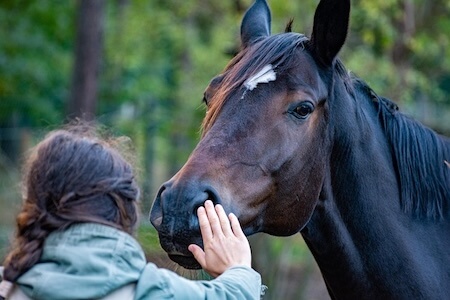
Equine Assisted Mental Health Therapy, which I practise, is not about horse riding. It is a specialised, ground-based therapy conducted by a qualified mental health practitioner. It focuses on the interactions and connection between you and the horse.
So, how does this help with things like PTSD, anxiety, and trigger-management?
Horses are prey animals, which means their entire biology is designed for survival. They are hyper-vigilant by nature and incredibly sensitive to their environment—and to the emotions of those around them. They cannot be tricked, and they do not judge. They simply react, honestly and immediately, to the energy you bring.
- Horses give you living bio-feedback. If you approach a horse while carrying unseen tension, anxiety, or anger, the horse will sense it and will react to you. They act as a living mirror to your internal state. This provides immediate, non-judgmental feedback, helping you learn to identify your own feelings in the moment—often the first and most difficult step in managing them.
- Horses demand you to be present. You cannot be in a session with a large animal while lost in a flashback or ruminating on an anxious thought. To build a connection, you must be present—right here, right now. This practice of “being present” is a core skill for managing PTSD, and horses are powerful anchors to the current moment.
- Horses help you re-learn trust and emotional regulation. To get a horse to trust you, you must first learn to regulate your own emotions. You practise breathing, calming your nervous system, and approaching with quiet confidence. When the horse responds by relaxing, stepping closer, or mirroring your calm, you receive positive reinforcement. You are, in effect, re-wiring your brain and nervous system in a safe, supportive environment.
This work helps you feel more calm, confident, and connected. The horses “hold space” for you, allowing you to process difficult emotions without fear of judgment. By practising these skills in the therapy arena, you are building the “emotional muscle” you need to identify your triggers and build resilience against them in your daily life.
A Day of Honour, A Journey of Healing
Remembrance Day will always be a day of complex emotions. It is right to honour the fallen, and it is also essential to support the living.
If this day is hard for you, you are not alone, and you do not have to navigate this journey by yourself. Honour your own service by taking care of your own well-being.
Let Me Help You
If you or a loved one is struggling and feel you could benefit from a supportive, non-judgmental space to heal, please reach out.
To book a session, Contact me or call 0452 337 322 and together we help you live in today and also remember the past.